
-
Translate
 TH
TH EN
EN JP
JP CN
CN
TH EN JP CNElectrical Control Panel is a crucial device that functions as the central hub for distributing, controlling, and protecting electrical systems in buildings, factories, or any location with high energy consumption. A standard-compliant electrical control panel is considered the "heart" of the electrical system, as it efficiently manages power flow, reduces fire risks, and extends the lifespan of machinery and electrical devices.
In the industrial sector, an electrical control panel not only controls the system but also reflects the factory's safety standards. Therefore, proper design and installation are critical and must be carried out by certified electrical engineers.
In essence, an Electrical Control Panel is a unit that houses switches, breakers, fuses, and protection devices within one cabinet to control the power distribution throughout buildings or factories. Its main functions include circuit switching, short-circuit protection, and maintaining appropriate electrical loads.
Electrical control panels used in industrial settings vary in size, from MDBs (Main Distribution Boards) for managing the main power supply, to control panels for specific machines, and sub-panels for individual zones. Each panel works together as part of a system, ensuring smooth and safe electricity flow. Additionally, they automatically monitor and cut power when abnormalities like overloads or short circuits occur, helping to minimize damage and prevent accidents.
Selecting an electrical control panel requires consideration of usage characteristics and electrical load. Common types include:
MDB (Main Distribution Board) – the main panel that distributes electricity from utilities or transformers to sub-panels.
Sub Distribution Board – controls and distributes electricity to specific zones such as office buildings or production lines.
Control Panel – manages the operation of machines or automation systems in factories, such as pumps, motors, or production equipment.
Capacitor Bank – improves power quality and increases the power factor to reduce energy costs.
Each type of electrical control panel has unique features and must be designed appropriately for each system to ensure maximum safety and performance.
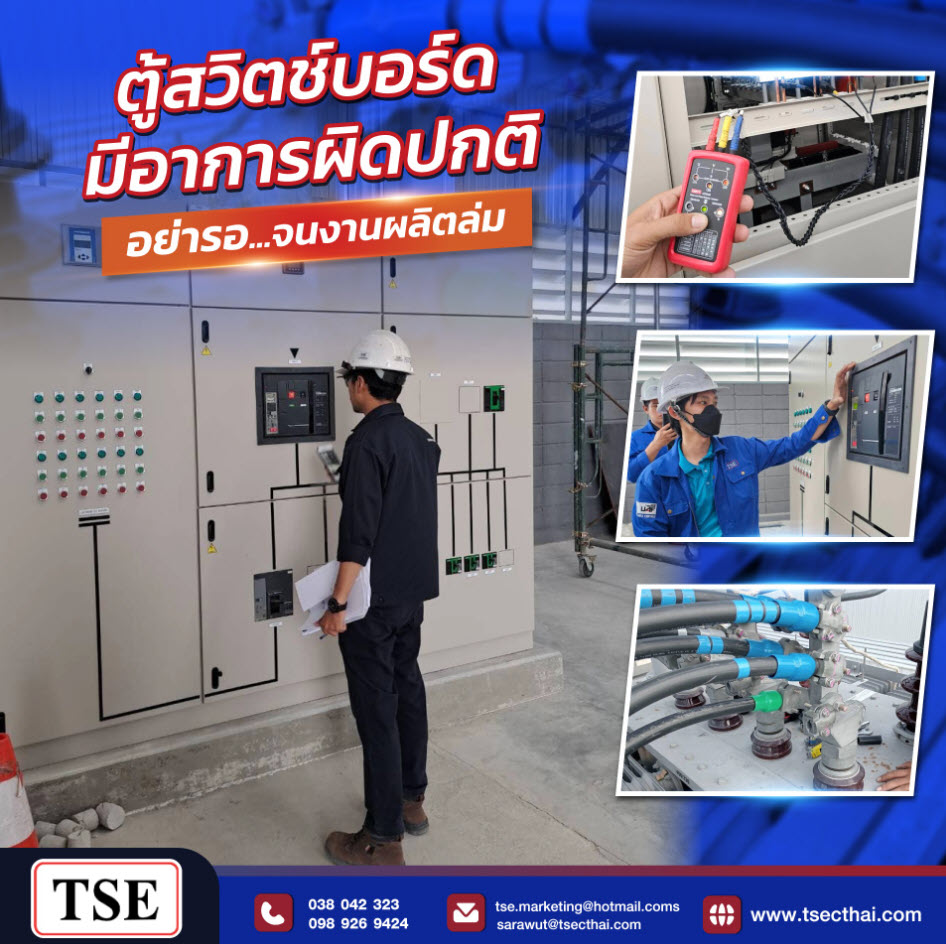
Electrical control panels play a key role in both safety and the continuous operation of buildings and factories. Without standard-compliant panels, issues like power outages, voltage drops, or even devastating electrical fires may occur.
In commercial buildings and offices, control panels ensure stable power supply, allowing electronics, appliances, and HVAC systems to operate smoothly. In industrial sectors, they enable machines to run safely and continuously, in compliance with production standards. Moreover, properly designed and installed electrical control panels can improve energy efficiency, reduce loss, cut costs, and enhance operational value.
Designing and installing an electrical control panel requires a professional engineering team, as several factors must be considered—such as load demand, safety, ventilation, and short-circuit protection. All steps should follow international or national standards such as IEC or TIS (Thai Industrial Standards).
The process begins with an on-site survey, analyzing electrical load needs, designing a system suitable for the building or factory, selecting high-quality components, proper installation, and system testing before handover. Expert teams ensure safe and stable electrical systems in the long term by minimizing risks from faulty installation.
As outlined above, electrical control panels are not just accessories in an electrical system—they are essential components that ensure power is delivered efficiently, safely, and cost-effectively. Whether in buildings, offices, or industrial plants, panels designed and installed by professionals ensure electrical stability, reduce risks, and prolong the life of connected devices.
Therefore, if you're looking to enhance safety and power efficiency, investing in a high-standard electrical control panel installed by experts is the best solution for your building or factory.
For inquiries or consultation, call +66 98 926 9424
