
-
Translate
 TH
TH EN
EN JP
JP CN
CN
TH EN JP CN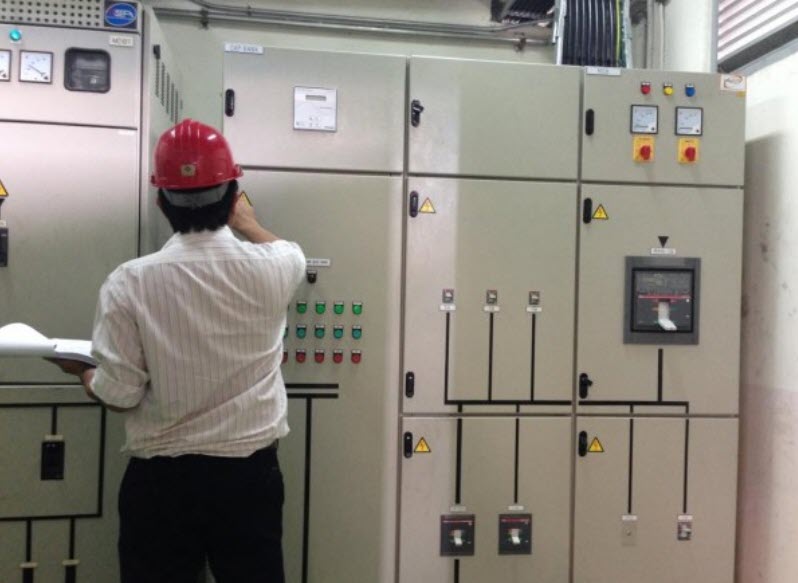
Electrical systems are essential for ensuring our electrical appliances operate continuously. But did you know that the electrical systems used in factories and in homes or buildings can be either single-phase or three-phase? Many people have heard the terms "single-phase" and "three-phase" electricity but don't fully understand the differences between them. In this article, TECHNICAL SYSTEM will explain how these two systems differ.
Electrical systems are a vital part of our daily lives. Whether it’s a house or a factory, both rely on electricity to function. However, the systems used in homes and factories differ significantly in terms of design, installation, and usage. Let’s take a closer look at the details of each type of system.
Factory electrical systems need to supply a large amount of electricity, usually using a three-phase system. This system is more complex than residential electrical systems and includes three phase wires (L1, L2, L3) and a neutral wire (N), allowing it to deliver high electrical loads and maintain high voltage (typically 380 volts between phases).
This system supports machines and equipment that require high power, such as electric motors, large machinery, and production conveyor systems. Three-phase systems in factories offer high stability and durability under heavy use and help balance power distribution, reducing issues like voltage drops or power surges, which can damage machines and equipment. Installing a factory electrical system is more complex and expensive than residential systems due to the need for high-performance wiring and components.
- Residential Electrical System
Electrical systems used in homes or residential buildings typically use a single-phase system, designed for appliances with low to medium power consumption, such as refrigerators, air conditioners, TVs, or microwaves. Power is supplied through a phase wire (L) and a neutral wire (N), with voltage usually at 220 volts in most households.
The main advantage of a residential system is that it's ideal for homes where large amounts of electricity aren’t needed. It's simple to use and has lower installation and maintenance costs due to the straightforward system. It supports most common household appliances. However, its limitation is the inability to support large machinery or high-power equipment, such as factory machines. There's also a higher chance of power dips or outages if too many devices are used simultaneously.
| Feature | Residential Electrical System | Factory Electrical System |
| Complexity | Low | High |
| Voltage | 220 Volts | 380 Volts |
| Equipment | Simple | Complex |
| Application | Household appliances | Large industrial machinery |
| Cost | Low | High |
| Efficiency | Lower | Higher |
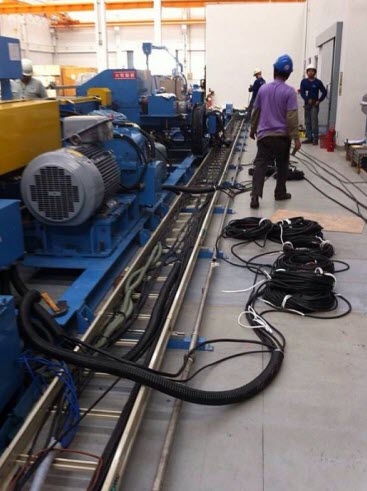
Designing electrical systems for industrial factories is a critical and complex process because factories often use large amounts of electricity and require stable systems to ensure continuous and safe operation of machines and equipment. Therefore, system design must consider efficiency, safety, and optimal energy management.
1. Requirement Analysis – Assess electrical usage in different areas of the factory, types of machines used, and other electrical needs.
2. System Planning – Design the electrical system to match the factory’s size and layout, including selecting appropriate equipment.
3. Load Calculation – Calculate the electrical load in each part of the factory to determine suitable equipment sizes.
4. Protection System Design – Include protection mechanisms such as circuit breakers, fuses, and relays to prevent damage.
5. Documentation – Prepare related documentation like electrical circuit diagrams and equipment specifications.
6. Installation – Install the system according to the design by qualified professionals.
7. Testing – Test the system post-installation to ensure everything works correctly.
Choosing between single-phase and three-phase systems depends on usage needs. Single-phase systems are suitable for residential and small appliances, while three-phase systems are ideal for industrial settings requiring high power. Selecting the right system ensures maximum efficiency and safe operation.
For factory electrical system installation, it’s best to consult with experts to ensure the system meets your needs and is safe. Technical System Engineering Co., Ltd. is a professional engineering company offering complete electrical design and installation services. Our team of engineers and specialists is ready to provide expert consultation and support, including excellent after-sales service.
